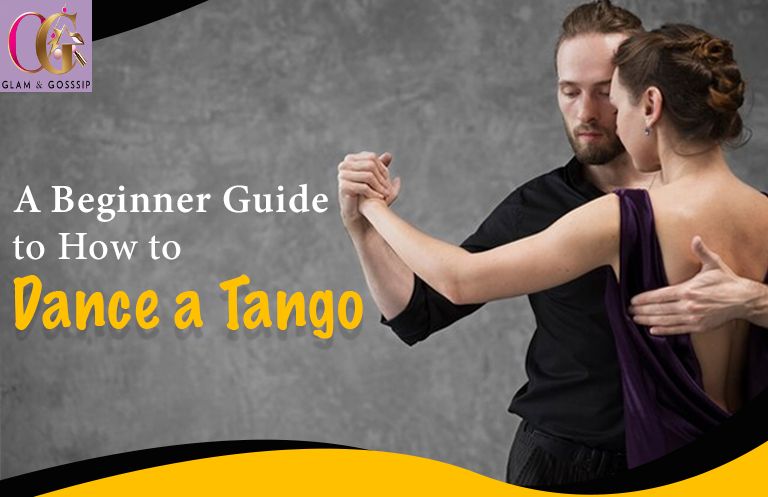
Everyone has heard of the Tango as the world’s most passionate and expressive dance. Do you
know what this is known for? Dramatic moves, close embraces, and deep connections among
partners have interested dancers in learning the best and audiences for generations. But the
questions about the Tango dance are uncountable. Here are a few lists: From where does this
spell-binding dance originate? What’s the cultural history of the dance? Why do people love
this? What to wear while dancing Tango?
We will write everything down in this blog, starting from how it hit the lower backs of working
people in Buenos Aires, Argentina, and then the fusion of cultures. This beautiful fusion ended
up conquering the entire dance industry.
Don’t see Tango as the dance; see it as the mirrored image of cultural history, migration, and
human emotion.
Its journey from the streets of South America to the grand tiers of Europe and the relaxation of
the world tells a tale of evolution, adaptation, and ardour. Let’s dive deeply to know every detail.
Where is the Tango Dance From?
Buenos Aires and Montevideo are known as the primary places to begin. In the 1900s, Tango
began to gain popularity in the cities of Montevideo and Buenos Aires. In these cities, natives
from Europe and Africa lived, and with that, the magic happened. This population contributes to
the tune and movement; both are the soul of Tango dancing.
The dance commenced in the working-class districts, especially in the “conventillos” (shared
housing areas) and the brothels, wherein people from one-of-a-kind backgrounds got here
collectively. It became motivated by African rhythms, European melodies, and nearby people’s
traditions, creating a unique mixture of styles. At first, Tango was considered scandalous due to
its erotic and sensual actions. However, it gradually gained a reputation beyond the lower
classes.
African, European, and Indigenous Influences
The African influence of Tango may be seen in its rhythm and movement. Argentina and
Uruguay’s African communities follow wealthy traditions that contributed to the best early Tango
songs. After a few years, Tango incorporated European instruments, such as Bandoneón.
German immigrants used to play this type of accordion, and other nations, like the Spanish and
Italians created their melodies. Indigenous dance bureaucracy also performed a function, mixing
with the more modern patterns to make Tango’s dynamic, fluid actions.
How Tango Evolved?
Every year marks the significant importance of the evolution of the Tango.
The Early Years: It Came From the Streets to the Studio
Initially, Tango began dancing in casual settings, including bars and streets. However, as its
popularity grew, it entered dance halls and more subtle venues. By the early twentieth century,
Argentina’s top class, which initially rejected Tango, commenced embracing it after it received
recognition in Europe.
Tango in Paris: Start Conquering the World
This process started in the 1900s when Argentine sailors and travellers brought Tango to Paris
and it started becoming a sensation. The dance style first captured the passion of France and
then started spreading throughout Europe and America.
The publicity in Paris constantly modified Tango. Once the dance comes to Paris, it starts
blending with French culture, and more changes are shown in the movement. Then, it starts
moving forward to Europe, reaching London, Berlin, and Russia. It became a dance of
excessive society, marking a stark evaluation of its humble beginnings inside the working-
magnificence neighborhoods of South America.
The Golden Age of Tango: From the 1930s to 1950s
Tango flourished in Argentina from the 1930s to the 1950s, helped by great orchestras that
influenced the genre’s musical growth. Nowadays, Tango is a social activity. People used to
dance at “milongas,” which are Tango-dancing gatherings.
One of the essential roles of Tango is storytelling. At one point, the tune has become deeply
emotional, reflecting affection, nostalgia, and the struggles of ordinary lifestyles.
The Decline and Revival of Tango
With political instability in Argentina during the mid-20th century, Tango noticed a decline. The
emergence of rock and roll and other modern dance bureaucracies led to a diminished passion
for conventional Tango. On the other hand, Tango was reinvigorated in the 1980s, partly due to
global interest and the success of ideas such as Tango Argentino. Tango is no longer simply an Argentine or Uruguayan lifestyle; it is now an international dance with fans in every corner of the
arena.
Different Styles of Tango
Tango has evolved into specific styles over the years, every with its unique characteristics:
● Argentine Tango: The unique and maximum expressive form specialising in
improvisation and deep connection between partners.
● Ballroom Tango is a more established model of competitive ballroom dancing, featuring
dramatic head moves and strict posture.
● Tango Nuevo: A modernised style prompted by digital music and current dance.
● Milonguero Style: Danced nearby, ideal for small dance flooring.
● Uruguayan Tango: A lesser-regarded but similarly expressive shape of Tango that
shares similarities with its Argentine counterpart.
Is Learning Tango Difficult for Everyone?
Many people accept that Tango is challenging to analyse, but anybody can begin dancing
Tango with endurance and exercise. Beginners start with easy steps and progressively build up
to more complicated actions. Look for dance schools that offer Tango classes for people of all
ages.
When you prefer learning the Tango dance, don’t learn it as the dance; remember it as the
feeling, know your best competition, and immerse yourself entirely in that dance.
Conclusion
Tango is more than just a dance; it’s a feeling and passion. It’s the most memorable one, from
the streets of Buenos Aires to the grand ballrooms of Paris and the past. After learning about its
history, evolution, and influence on global lifestyle, it’s high time to start learning about this
timeless dance as a new skill to add.
Tango proves that music and motion transcend barriers from their humble origins to their global
effect. So the next time you listen to the haunting notes of a bandoneón, consider that Tango is
not just a dance—it’s a tale ready to be informed with each step.