Home » ENTERTAINMENT » Dance
Top 10 Black Salsa Dancer in the World 2026

Top 10 Salsa Dancer of African Heritage in the World 2026

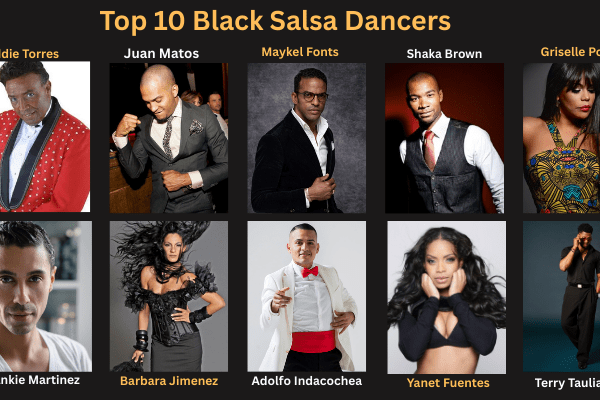
Salsa is one of the most vibrant, culturally rich, and globally celebrated partner dances in the world. While its roots span Afro-Caribbean rhythms, Latin musical heritage, and urban evolution, Black salsa dancers have played a defining role in shaping how salsa is danced, taught, and appreciated internationally. This comprehensive overview explores the influence, legacy, and top Black salsa dancers whose artistry continues to shape the global salsa community. The Cultural Roots of Salsa and the Black Influence Salsa emerged from Afro-Caribbean traditions especially Cuban son, rumba, and mambo combined with Puerto Rican and urban New York influences. This blend inherently incorporated African diasporic movement aesthetics: polyrhythmic timing, grounded motion, body isolations, and improvisational style. As salsa travelled from Cuba and Puerto Rico to New York City and beyond, salsa dancers from African heritage and communities were central to its evolution. Top 10 Salsa Dancer of African Heritage in Worldwide 2026 Below are some of the most influential figures associated with salsa dancing especially where their identity, artistry, or influence intersects with Black cultural heritage. Their contributions span performance, choreography, instruction, and community leadership. 1. Eddie Torres – The Mambo King Often called the “Mambo King,” Eddie Torres is a legendary salsa dancer and teacher whose work has shaped how salsa is teachs worldwide. He is credited with pioneering the NYC “On2” style and mentoring countless professionals and instructors. His musicality, precision, and teaching methods have made him a global ambassador of salsa. 2. Juan Matos Juan Matos is known for his Afro-Caribbean influence footwork, stylistic flow, and creative expression on the dance floor. Originally from New York with Dominican roots, his performances and workshops have brought greater appreciation for Afro-Latin sensibilities in salsa communities worldwide. 3. Maykel Fonts From Havana, Maykel Fonts blends Afro-Cuban salsa with performance intensity and innovative choreography. His work helps connect traditional Cuban roots with contemporary global salsa stages, influencing dancers across continents. 4. Shaka Brown Based in Washington, D.C., Shaka Brown stands out not only for his dancing but also for his role in creating inclusive environments where salsa thrives across identities. His teaching and creative work emphasize connection, expression, and community. 5. Griselle Ponce Griselle Ponce has long been famous for her commanding stage presence, styling excellence, and contributions to mambo and salsa choreography. Known by many as “The Mambo Diva,” she highlights how female Black and Afro-Latin dancers shape salsa’s stylistic diversity. 6. Frankie Martinez Frankie Martinez mixes Afro-Latin rhythms with contemporary flair, pushing salsa toward innovative fusion styles. His work as a choreographer and performer illustrates how traditional salsa can grow while honoring its cultural roots. 7. Barbara Jimenez Barbara Jimenez is examples of uban-born dancers whose artistry and teaching have contributed to salsa’s global stage, especially where Cuban and Afro-Latin movement connect deeply with salsa aesthetics. 8. Yanet Fuentes Black Salsa Dancers Noted for her electrifying performances and command of Afro-Cuban rhythms, Yanet consistently impresses audiences and students worldwide with her dynamic salsa and rumba expertise. 9. Adolfo Indacochea Known for precision and choreography and as founder of Latin Soul Dancers Adolfo Indacochea emphasizes mambo-style salsa that has influenced dancers throughout the U.S. and abroad. 10. Terry Tauliaut Terry Tauliaut is a highly respected Australian salsa dancer, choreographer, and dance educator, best known for his contributions to Latin dance particularly salsa both in Australia and internationally. He is widely popular within the dance community for his technical precision, musicality, and performance excellence. What Makes a Salsa Dancer Influential? Before profiling icon dancers, it helps to understand the hallmarks of influence in salsa: Beyond Individuals: The Broader Influence of Black Salsa Dancers While profiles highlight specific names, the impact of Black salsa dancers extends into teaching, global festivals, cultural identity, and community building: Why Recognizing Black Salsa Dancers Matters Highlighting Black artists in salsa is not just about individual achievement; it recognizes the historical and cultural foundations of the dance. Salsa did not arise in isolation it is a product of diasporic expression that Black communities helped evolve across the Caribbean and the diaspora. Also Read: Salsa Romantica How to Discover and Learn from Black Salsa Dancers If you are passionate about salsa and want to explore the work of Black salsa dancers: Conclusion Black salsa dancers in the world past and present have shaped the art form in profound and enduring ways. From foundational innovators like Eddie Torres to contemporary teachers and artists, their influence resonates across social dance floors, stages, and classrooms worldwide. As salsa continues to evolve, honouring and elevating these voices deepens our understanding of the dance’s cultural richness and global appeal.
Read More

Guide to Know Everything About PachangaMeaning and Dance

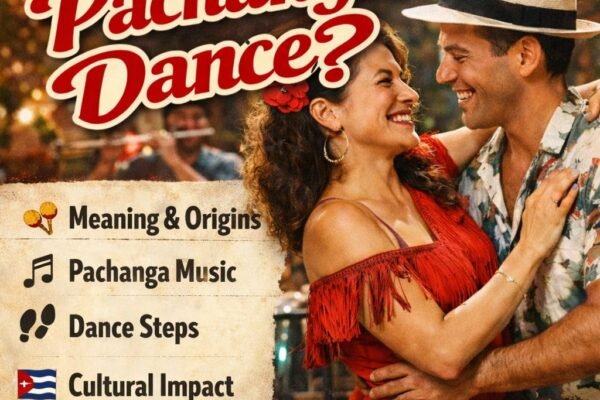
Suppose you’ve ever determined yourself on a dance floor, shifting to an exciting and infectiousrhythm. In that case, the probability is that you will introduce yourself to the magic of Pachanga.Originating from Cuba, Pachanga’s meaning is more than just a dance or tune style. This isknown for its vibrant cultural expression involving pleasure, celebration, and networking. Read this blog if you’re a beginner learning dance or a track enthusiast. You’re not any of that.Let us guess. Do you love to watch and explore different cultures? Then, learn about PachangaDance’s origin and how you can experience it nowadays. What is Pachanga’s Meaning? “Pachanga” (pronounced pah-CHAHNG-gah) is a Spanish word that refers to a lively party orcelebration, especially in Latin American cultures like Cuba, Colombia, and Puerto Rico, wheremusic, dancing, and fun are central. It is also a Cuban music and dance genre that emerged inthe 1950s, blending elements of son montuno and merengue. Over time, it has come torepresent the tune and dance style that brings humans together in festive surroundings. The History of Pachanga Pachanga was first introduced by Cuban musician Eduardo Davidson in 1959, along with hismusic track La Pachanga, which quickly gained a reputation. At first, the track became famousafter being inspired by Charanga Bands, which include flutes, violins, and pianos. After mixingall these instruments, they create a gentle and playful sound. After just 1 year, Pachanga started spreading to Cuba, America, and also to Latin America. Withthis, it was getting popular, and social media was the sole reason behind its popularity. That’swhy it also became famous in the streets of New York. And yes, I just wanted to add thatPanchanga grabs its position at the golf tournament, showing joyful moves. While Salsa andother Latin rhythms eventually dominated it, Pachanga did not go away, and it is still a popularstyle among dancers and musicians worldwide. How to Dance Pachanga Dancing Pachanga is an adventurous activity that mixes techniques with free-spiritedmovement. Here are some key factors of the dance: ● Quick Footwork: The dance includes a shuffle-like motion, similar to Cha-Cha, but withmore excellent soar.● Hip Action: The fluid motion of the hips is an integral part of Pachanga, adding a playfuland flirtatious touch.● Upper Body Movement: Unlike Salsa, which frequently continues the upper bodyconsistently, Pachanga allows for expressive shoulder and arm actions.● Playfulness: Pachanga isn’t just about steps; it’s about having fun! Dancers regularlyincorporate their personal style and persona into the dance. If you’re new to Pachanga, looking at skilled dancers or taking a class is an acceptable way tolearn. Many Salsa studios offer Pachanga classes as part of their course. Pachanga in Music and Culture While Pachanga’s meaning in music is rooted in the Cuban lifestyle, it has encouraged diverseLatin American genres. Modern musicians combine Pachanga elements with Salsa, Mambo, orLatin Jazz. Pachanga music started gaining popularity from the artists Johnny Pacheco, PeteRodriguez, and Charlie Palmieri. Beyond song, Pachanga, which means “extends into cultural celebrations, ” is the essence ofmany Latin American festivals and events. Its active spirit unites human beings. The term iseven used daily to describe amusing and active collecting. Why Pachanga is Making a Comeback Recently, Pachanga has become popular among worldwide dance groups, and many Salsadancers find it difficult to learn. To make this popular, social media plays an important role, asyou can share dancing videos and tutorials that show Pachanga’s fundamental essence. Latin music’s global reputation has also encouraged a renewed interest in conventional styleslike Pachanga. As more people seek to connect with the roots of Latin dance, Pachangacontinues to gain new enthusiasts throughout generations. How to Incorporate Pachanga into Your Life If you’re enthusiastic about Pachanga and need to enjoy it firsthand, here are a few methods toget started: ● Take a Class: Look for dance studios in your area that offer Pachanga or Salsainstruction. ● Attend Latin Dance Nights: Many clubs and social occasions function Pachanga-pleasant tunes. ● Listen to Pachanga Music: Explore playlists presenting classic Pachanga songs andpresent-day diversifications. ● Host a Pachanga Party: Invite friends for an evening of tunes, dancing, and a birthdaycelebration. Conclusion Now, the Pachanga meaning is not only related to music or dance but is more related to theparty of life, movements, and networks. There’s no doubt about the delight it gives, fromdancing for the first time, rocking to the beat at a Latin club, or just soaking in the catchy beatsof Pachanga music. Now that you know the Pachanga, which means records, why not deliver ita strive? Put on some song, pass to the rhythm, and enjoy the energy of Pachanga for yourself! FAQs About Pachanga Q1: What does Pachanga mean in slang? In slang, “pachanga” refers to a wild party or a fun, chaotic celebration, often with loud music,dancing, and plenty of drinks. It’s commonly used in Latin American countries, especially inCuba, Mexico, and Puerto Rico, to describe a lively get-together or fiesta. Q2: What is Pachanga in English? “Pachanga” in English refers to a bash or a dance party with loud music, food, and friends. But italso refers to one of the Cuban dance styles. So, look at the context before finding a meaning. Q3: What is la pachanga? “La Pachanga” is a genre of music and dance that originated in Cuba in the 1950s. It ischaracterized by a lively, playful style with a strong downbeat. It is often played by charangasand features flutes, violins, horns, and drums. Q4: What does Vamos a la pachanga mean? Vamos a la pachanga is a phrase in Spanish that says, “Let’s go to the party,” as“pachanga” means a lively party or any celebration, and it is mostly used in Latin America. SeeGoogle converter is also generating the same result: Q5: What’s the difference between salsa and pachanga? Salsa is known as a broader genre of music and dance that blends mambo, cha cha cha, andmore, while Pachanga is a specific genre of dance and music known for its harder and jazziersound than other normal salsa. Q6: What kind of dance is a pachanga?…

Read More

Everything You Need to Know About CumbiaDance: History, Steps, Styles & More

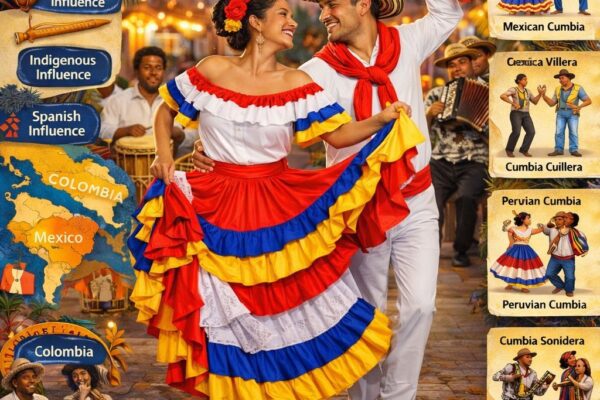
Introduction: Let the Rhythm Move You Picture a soothing evening in a small Colombian town square. A flash of light can be seenhanging above, the bass rhythm is slow, and people dance on the cobbles in time with eachother. The music? Infectious. The vibe? Electric. It is with much honour that I introduce cumbiadance, a beautiful style in Latin America that represents the spirit of the dancing soul. Cumbia is hard to overlook, whether live at a festival, playing at a party, or shared on socialnetworks. The lively beat, the lavish oriental-like costumes, and the graceful swirling of theladies assure that it is not just a dance but a celebration of the culture. Well, here I present this guide, which explains the entire concept of Cumbia dance, from itshistory to the movements. This is your starting point if you are interested in Latin Americandances or adding some spice to your playlists and party moves. Let’s move to the beat. What Is Cumbia Dance? Cumbia is a Latin American folk dance that was born in Colombia. Similar to other dances, ithas rhythm and well-developed footwork and patterns. Its romantic couple movements are astriking feature. Traditionally, it is performed in pairs, with the female dancer performing acircular movement more often around the male dancer. That is where Cumbia differs: it is an overt act of fusion with Afromodern electronic music,African drums, Indigenous flutes, and Spanish motifs. This is not just about dancing; it is a totalfeeling. It consists of distinct African drums, Indigenous flutes, and Spanish rhymes. Cumbia isnot just a dance; it is a show, a theatre production, and it draws emotions out of people.Presently, Cumbia has crossed the boundaries of Latin America and beyond. It has, therefore,expanded from the traditional style of music and dance to become associated with Mexicanmusic and other countries such as Argentina, Peru, and even the United States. History and Origin of Cumbia Like any other musical genre, cumbia has its background, originating in Colombia’s Caribbeancoast, particularly in the early colonial period. It originated from the mixture of three aggregates: ● Africans, who were enslaved and brought drums & rhythmic movements. ● Organizers of Indigenous people contributed flutes and other indigenous musicalinstruments. ● Spanish colonizers, who introduced stringed instruments and European melodiesCumbia was initially a courtship dance, with men chasing women slowly, flowingly, replicatingflirtation. The dancers wore traditional attire: long skirts for ladies and white clothes for men withred scarves. Cumbia dance expanded from Colombia to other regional countries and mingled withintermediate instruments, languages, and dance. Especially in the twentieth century, it becameassociated with nationalism and pride in the Colombian nation.Today, there are various forms of Cumbia, and each one may be associated with a particularregion. Its influence is seen worldwide throughout Latin America and Latino communities, fromstreet parties to major festivals. Different Types of Cumbia Dance Cumbia dance continued to spread across Latin America; it started developing local subgenresin its regional styles. Below are some of the common forms: Traditional Colombian Cumbia This is the original form. It is slower and more symbolic, and it is played on native instrumentssuch as the gaita flute and Tambora drum. Female dancers often hold candles in their handsduring performances. Mexican Cumbia This version has a faster tempo, electronic sounds incorporated, and is overall more cheerfulthan the previous version. It is widely popular at social gatherings such as parties and dances inMexico. Cumbia Villera (Argentina) Cumbia Villera is danced in some of Argentina’s big cities. This dance style has a relatively rawtune and is related to the urban working class. Many of the songs are poetic in content and haveundertones of social and political messages. Cumbia Sonidera This trendy style originated in Mexico City and represents DJ culture. It contains recorded andremixed beats and, at times, shout-outs from DJs during live performances. Peruvian Cumbia (Chicha) This exotic genre combines Cumbia with electric guitar, like 1960s rock and Andean tunes.People primarily associate it with its unique sound, especially the artwork on the album. Each type brings something different, but all stay true to the core of what makes Cumbia funand rhythmic. What Do You Wear When Dancing Cumbia? The outfits accompanying Cumbia dance are not left out; they are as colourful as themovements and eye-catching. This has led to traditional attire symbolizing Colombian social,artistic, and cultural history. Women’s Attire: ● Free-flowing skirts with floral and other rich prints● Off-shoulder blouses are embellished with lace or embroidery.● Floral headpieces or accessories● Often barefoot or in dance shoes, depending on the style Men’s Attire: ● Crisp white shirts and pants● Wearing a red scarf or a bandana around the neck● Traditional hat called “sombrero vueltiao”● Black shoes or dance slippers Though modern or social costumes can be very formal, modern-day dancers wear casual wearappropriate for dancing Cumbia in the streets or clubs. However, the outfit worn for theparticular occasion needed to allow freedom of movement. Basic Steps of Cumbia Dance Nevertheless, this dance can seem relatively complicated, but most moves are easy to perform.Here’s a quick breakdown: The Basic Step: ● Step back with your right foot (men) or left foot (women)● Return to the center● Step in place with the other foot● Repeat with the opposite foot The movement is slight and rhythmic, and it is usually done in a rocking manner. Partners alsodance in closed positions or side by side. The woman can add rotation to the movement aroundthe man, the hula dancing movement. Key Tips: ● Be smooth and graceful when changing positions● Try to remain synchronized with the beat● Focus on the hips—they naturally sway with each step The basic spins are at the first level, the arm movements are at the second level, and one caneven do dips at the third level. For beginners, watching tutorials or taking classes is always a bigplus. Interesting Facts About Cumbia Dance Here are some interesting and relatively unknown facts: ● Cumbia is Colombia’s national dance and a tradition celebrated on July 20th every yearduring the nation’s celebration of freedom…

Read More

10 Most Popular Cuban Dance Styles ThatCelebrate Rhythm, Passion & Sensuality

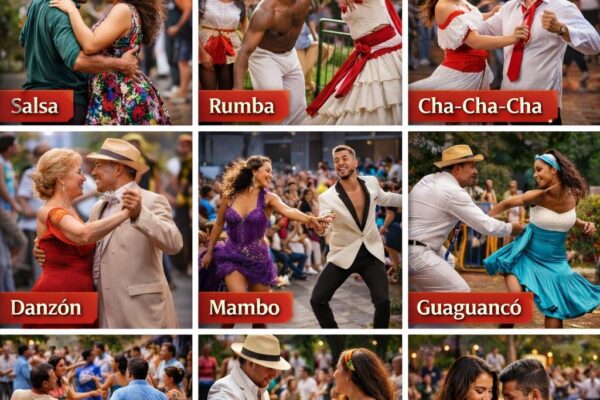
When it involves motion that oozes sensuality, passion, and rhythm, few patterns do itlike Cuban dance and also Bachata in New York. But, for today, we’re only focusing onCuban dance that is born from a melting pot of Afro-Cuban roots, European elegance,and indigenous spirit. Cuban dance patterns are more than choreography, they arestories informed with the help of the body. Whether you’re stepping onto the dance floor for the first time or you’ve been swirling foryears, Cuban dance styles are your price tag to a world where motion speaks louderthan words and each step, sway, and spin connects you to something deeper. Let’s take a scorching dive into the 10 most famous Cuban dance styles that conveysensual movement to existence and offer you a completely different experience frombachata dance classes nyc. 1. Salsa—The Global Star of Cuban Dance If Cuban dance styles had a celebrity, salsa would be the A-lister. Born in the heart ofHavana, salsa blends Cuban son, mambo, and jazz to create a rhythm it truly isimpossible to face up to. It’s fast, it’s fiery, and it’s all about connection. Expect sharp footwork, sensual hip movement like in bachata classes New York, andseamless partner work. But salsa isn’t pretty much the stairs, it’s approximately theenergy between two of our bodies shifting as one. The eye contact, the leads, theplayfulness… It’s flirtation in movement. 2. Rumba—Dance of Desire Rumba is uncooked, emotional, and steeped in African history. It’s a dance that doesn’tjust pass your feet, it reaches into your soul. The maximum iconic style, Guaguancó,tells a sensual tale of flirtation and pursuit. The male dancer tries to “seize” his partner with a cheeky pelvic move called thevacunao, whilst she teases and dodges, a sleek recreation of cat and mouse. Rumba issensuality at its purest: playful, powerful, and dripping with anxiety. 3. Cha-Cha-Cha – Flirty and Fun Who can withstand the cheeky attraction of the cha-cha-cha? With roots in mambo andborn in 1950s Havana, this dance is bright, bubbly, and a blast on the dance floor. Thesignature triple-step rhythm gives it that playful soar you can’t help but feel in your hips. But don’t allow its lighthearted nature to fool you, this dance is severely horny. Quickfeet, close partner work, and flirtatious glances make cha-cha-cha a favorite at socialgatherings and Latin dance parties anywhere. 4. Danzón—Elegance With a Slow Burn For people who like their sensuality with a feel of class, danzón is your dance. Knownas Cuba’s “countrywide dance,” it’s all about elegance, grace, and an underlying cuttingedge of romantic anxiety. Think ballroom meets Afro-Cuban flavor. The pace is gradual, the stairs are deliberate,and each glance and gesture contains weight. It’s much less about wild movement andmore about smoldering subtlety. It’s the kind of dance where the smallest touch saysthe entirety. 5. Mambo—All About the Drama If you want to feel ambitious, mambo is probably in shape. With Afro-Cuban roots andbig-band flair, mambo is speedy, fiery, and full of dramatic turns and accents. It’s a full-body experience in sharp actions, explosive power, and excessive eye contact all rolledinto one. This isn’t a dance for wallflowers. Mambo needs self-belief, an air of mystery, and afearless attitude. 6. Guaguancó – Sensual Storytelling A sensual subset of rumba, guaguancó is all approximately courtship. Picture a livelycommunication among bodies, the man tries to captivate with ambitious, suggestiveactions, at the same time as the woman responds with grace and teasing resistance. It’s greater than only a dance, it’s a residing drama, complete with anxiety and launch,seduction and method. If you’re seeking specific sensuality via playful storytelling,guaguancó is a must. 7. Rueda de Casino—The Party Dance Welcome to the ultimate dance circle, Rueda de Casino. It is a set dance that’s allapproximately synchronized movement, fast accomplice swaps, and spontaneouslaughs. Couples dance in a circle and observe a leader who calls out moves, growing awhirlwind of energy and exhilaration. While it may seem much less intimate before everything, don’t be fooled, this dancestyle pulses with playful sensuality. The consistent exchange of partners, the chemistry,the team spirit… it’s communal passion, Cuban-style. 8. Pachanga—Bounce Meets Flirtation Pachanga is the happy-pass-lucky cousin of mambo and boogaloo. It’s upbeat, cheeky,and honestly brimming with pleasure. The bouncy footwork, exaggerated hip motion,and loose-flowing vibe make it the ideal playground for dancers who like to have funwhile feeling horny. Pachanga doesn’t take itself too seriously, but its energy is contagious. It’s carefreesensuality, the kind that makes you smile while you sweat. 9. Sandungueo—The Bold, Modern Move Also known as perreo, sandungueo brings Cuban dance into the 21st century with raw,unapologetic sensuality. Often danced to reggaeton beats, it makes a specialty of pelvicmovement, body rolls, and close partner interaction. Sandungueo reflects how Cuban dance manages to conform, mixing culture with theboldness of current avenue tradition. 10. Tumba Francesa—A Cultural Treasure Last, however not least, Tumba Francesa is an enthralling dance that mixes Africandrumming with French-Haitian beauty. Performed in a circle with precise, rhythmicsteps, this style is both ceremonial and sensual. The splendor of tumba francesa lies in its storytelling, dancers use subtle actions andpowerful rhythms to carry emotion, harmony, and sensual grace. It’s a reminder of thedeep cultural roots that make Cuban dance so wealthy and meaningful. Let Cuban Dance Move You From the electrifying chemistry of salsa to the smoky elegance of danzón, Cuban dancestyles are a full-body party of connection, emotion, and sensuality. Each dance brings something unique to the ground. whether or not it’s playful, dramatic, sluggish-burning, or wild. At Sensual Movement USA, we agree that dance is greater than just movement. It’s anexpression. It’s a connection. It’s you, your rhythm, your sensuality, your tale. So, joinour bachata dance lessons nyc to enjoy the best experience. Ready to feel the track and explore your sensual face? Join us and analyze the wholething, from bachata to Cuban patterns, as a way to liberate your inner fire.

Read More
Tango Dance

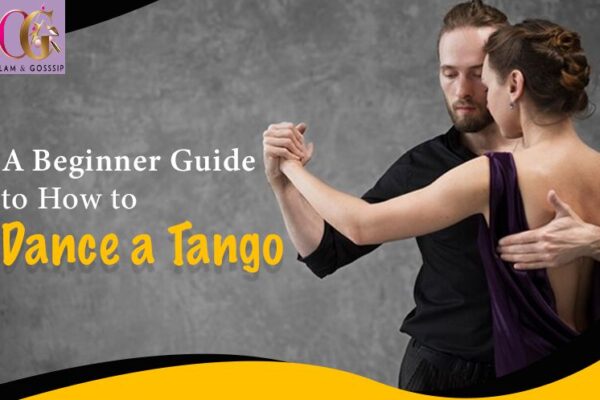
Know Everything About Tango Dance fromOrigin to Global Influence

Everyone has heard of the Tango as the world’s most passionate and expressive dance. Do youknow what this is known for? Dramatic moves, close embraces, and deep connections amongpartners have interested dancers in learning the best and audiences for generations. But thequestions about the Tango dance are uncountable. Here are a few lists: From where does thisspell-binding dance originate? What’s the cultural history of the dance? Why do people lovethis? What to wear while dancing Tango? We will write everything down in this blog, starting from how it hit the lower backs of workingpeople in Buenos Aires, Argentina, and then the fusion of cultures. This beautiful fusion endedup conquering the entire dance industry. Don’t see Tango as the dance; see it as the mirrored image of cultural history, migration, andhuman emotion. Its journey from the streets of South America to the grand tiers of Europe and the relaxation ofthe world tells a tale of evolution, adaptation, and ardour. Let’s dive deeply to know every detail. Where is the Tango Dance From? Buenos Aires and Montevideo are known as the primary places to begin. In the 1900s, Tangobegan to gain popularity in the cities of Montevideo and Buenos Aires. In these cities, nativesfrom Europe and Africa lived, and with that, the magic happened. This population contributes tothe tune and movement; both are the soul of Tango dancing. The dance commenced in the working-class districts, especially in the “conventillos” (sharedhousing areas) and the brothels, wherein people from one-of-a-kind backgrounds got herecollectively. It became motivated by African rhythms, European melodies, and nearby people’straditions, creating a unique mixture of styles. At first, Tango was considered scandalous due toits erotic and sensual actions. However, it gradually gained a reputation beyond the lowerclasses. African, European, and Indigenous Influences The African influence of Tango may be seen in its rhythm and movement. Argentina andUruguay’s African communities follow wealthy traditions that contributed to the best early Tangosongs. After a few years, Tango incorporated European instruments, such as Bandoneón. German immigrants used to play this type of accordion, and other nations, like the Spanish andItalians created their melodies. Indigenous dance bureaucracy also performed a function, mixingwith the more modern patterns to make Tango’s dynamic, fluid actions. How Tango Evolved? Every year marks the significant importance of the evolution of the Tango. The Early Years: It Came From the Streets to the Studio Initially, Tango began dancing in casual settings, including bars and streets. However, as itspopularity grew, it entered dance halls and more subtle venues. By the early twentieth century,Argentina’s top class, which initially rejected Tango, commenced embracing it after it receivedrecognition in Europe. Tango in Paris: Start Conquering the World This process started in the 1900s when Argentine sailors and travellers brought Tango to Parisand it started becoming a sensation. The dance style first captured the passion of France andthen started spreading throughout Europe and America. The publicity in Paris constantly modified Tango. Once the dance comes to Paris, it startsblending with French culture, and more changes are shown in the movement. Then, it startsmoving forward to Europe, reaching London, Berlin, and Russia. It became a dance ofexcessive society, marking a stark evaluation of its humble beginnings inside the working-magnificence neighborhoods of South America. The Golden Age of Tango: From the 1930s to 1950s Tango flourished in Argentina from the 1930s to the 1950s, helped by great orchestras thatinfluenced the genre’s musical growth. Nowadays, Tango is a social activity. People used todance at “milongas,” which are Tango-dancing gatherings. One of the essential roles of Tango is storytelling. At one point, the tune has become deeplyemotional, reflecting affection, nostalgia, and the struggles of ordinary lifestyles. The Decline and Revival of Tango With political instability in Argentina during the mid-20th century, Tango noticed a decline. Theemergence of rock and roll and other modern dance bureaucracies led to a diminished passionfor conventional Tango. On the other hand, Tango was reinvigorated in the 1980s, partly due toglobal interest and the success of ideas such as Tango Argentino. Tango is no longer simply an Argentine or Uruguayan lifestyle; it is now an international dance with fans in every corner of thearena. Different Styles of Tango Tango has evolved into specific styles over the years, every with its unique characteristics: ● Argentine Tango: The unique and maximum expressive form specialising inimprovisation and deep connection between partners.● Ballroom Tango is a more established model of competitive ballroom dancing, featuringdramatic head moves and strict posture.● Tango Nuevo: A modernised style prompted by digital music and current dance.● Milonguero Style: Danced nearby, ideal for small dance flooring.● Uruguayan Tango: A lesser-regarded but similarly expressive shape of Tango thatshares similarities with its Argentine counterpart. Is Learning Tango Difficult for Everyone? Many people accept that Tango is challenging to analyse, but anybody can begin dancingTango with endurance and exercise. Beginners start with easy steps and progressively build upto more complicated actions. Look for dance schools that offer Tango classes for people of allages. When you prefer learning the Tango dance, don’t learn it as the dance; remember it as thefeeling, know your best competition, and immerse yourself entirely in that dance. Conclusion Tango is more than just a dance; it’s a feeling and passion. It’s the most memorable one, fromthe streets of Buenos Aires to the grand ballrooms of Paris and the past. After learning about itshistory, evolution, and influence on global lifestyle, it’s high time to start learning about thistimeless dance as a new skill to add. Tango proves that music and motion transcend barriers from their humble origins to their globaleffect. So the next time you listen to the haunting notes of a bandoneón, consider that Tango isnot just a dance—it’s a tale ready to be informed with each step.

Read More

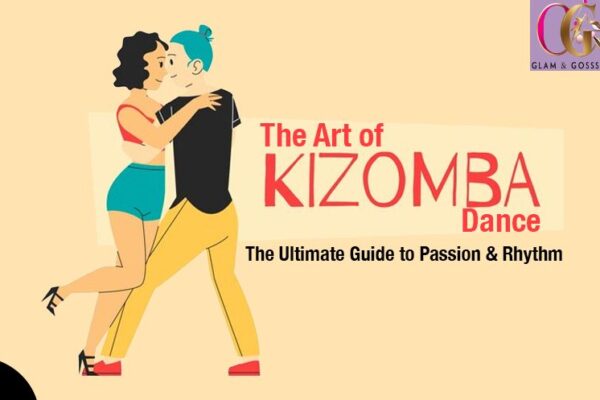
The Art of Kizomba Dance: The Ultimate Guide toPassion & Rhythm

Think of a dance that speaks the language of the soul, where every step is a heartbeat,every movement a whisper of emotion. Kizomba dance gives you the feeling that youare completely plugged into the rhythms of the earth and the history of culture; therichness of two individuals comes together. It is an authentic expression of the art fromthe heart of Angola, where people dance worldwide. Whether prompted by its captivating beauty or drawn in by its immersive musicality,Kizomba offers a trail to self-expression. This beautiful style has become a worldwidephenomenon, from social dance floors to international festivals. Come into the Kizombaworld, where passion and dance converge, allowing the rhythm to lead you on amesmerizing journey. The Origins and Evolution of Kizomba Kizomba dance originated when traditional Angolan Semba music was combined withCaribbean Zouk elements. The rhythm was slower and more sensual than previousones. Eduardo Paim can be called the “father of Kizomba,” as he almost single-handedly started the genre and paved the foundation for what it is today. Understanding the Dance: Core Elements ● Connection: At its core, Kizomba signifies a close embrace of partners so theycan have a real sense of sharing and trust musically.● Musicality: Movement and synchronized steps are key features for dancing tointerpret music nuances.● Flow: The dance is characterized by smooth, continuous movement withgraceful flow across the floor.● Ginga: It refers to that hip movement that is unique and very rhythmic andboosts the expression in the dance. Kizomba vs. Various Dance Forms Like many dances popular in Latin events worldwide, Kizomba is uniquely African.Unlike Salsa, with its swift footwork, or Bachata, with its exaggerated upper body andpronounced hip movements, this dance tends to be more grounded and intimate. Itsfocus on connection and musical interpretation sets the dance apart, lending uniqueexpression avenues for dancers. Feature Kizomba Salsa Bachata Tango Zouk Origin Angola Cuba DominicanRepublic Argentina Brazil Connection Closeembrace Open &dynamic Moderatecloseness Closeembrace Close & fluid Rhythm Slow &smooth Fast &energetic Romantic &rhythmic Dramatic &precise Flowing &wavy Footwork Small,groundedsteps Quick,intricatesteps Side-to-side,sensual steps Sharp,deliberatesteps Continuous,fluid motion Musicality Subtle & deep Fast-paced Sensual & lively Sensual & melodic Emotional & intense Hypnotic &fluid Main Focus Connection &flow Turns &patterns Connection Precision &drama Body waves &connection Social Scene Intimate,community-driven High-energy,social Romantic,expressive Traditional &elegant Creative &artistic Be prepared to see the magic of Kizomba Dance. What You Would Need to Begin Dancing Kizomba To take up the dance Kizomba, one would need ● Open Mind: It is advisable to be open to meeting with partners to enhance yourlearning experience through music.● Proper Shoes: Dancing with smooth soles should be as easy as gliding over adance floor.● Comfy Clothes: Choose comfortable clothes that allow free movement. Womenoften prefer skirts or dresses, while men prefer jeans or trousers.● Practice: Rehearsal should be done frequently. Accelerating progress mayinclude attending classes, workshops, and social dance activities. The Soundtrack of Kizomba Dance: Tracks You Must Know To enter Kizomba’s realm, one needs to dive into the music. The following masterpiecescover those stands: ● “Atchu Tchutcha” – Nelson Freitas & C4 Pedro https://open.spotify.com/track/64Vq7vnkVOMH7Vyuxevf4v ● “A Nossa Vez” by Kataleya https://open.spotify.com/track/3sAPE5410uBr6M3kcXCgV9 ● “Bo Tem Mel” by Djodje https://open.spotify.com/track/4pbueJavIM6ocInNUD90B4 ● “A Dor do Cupido” by Anselmo Ralph https://open.spotify.com/album/0wZrOKzAb5iNPZRWRL8rJg ● “Rebound Chick” – Kaysha https://open.spotify.com/track/5eqOFVN2S0v5pt2Mk5RGPB These tracks give everything from soulful melodies to rhythmic beats, hence great forlistening and dancing. The Who’s Who of Kizomba Dance Isabel & Felicien: This dynamic duo possesses strong chemistry and innovativechoreography that work to their advantage. The combination of sensuality and technicalprecision makes them one of the most sought-after couples in Kizomba worldwide. Isabel & Felicien: This dynamic duo possesses strong chemistry and innovativechoreography that work to their advantage. The combination of sensuality and technicalprecision makes them one of the most sought-after couples in Kizomba worldwide. Albir Rojas: Known for his unique teaching style and methodology, Albir combines creativity with musicality, making him a favorite dancer and student. Sara Lopez is a well-known Kizomba dance artist with grace and style. She played avital role in popularizing Kizomba among many international dance communities. Curtis Seldon: Curtis has inspired many people in the Kizomba community because ofhis musicality and smooth, natural lead in his dancing. Workshops focus on connectingwith other dancers and flowing. Mestre Petchu: One who has made history in branching out Kizomba and Semba andtheir recognition on a global scale. One of the important people who preserves the truetraditional roots of the dance while helping it evolve. The Spread of Kizomba Across the World Originating from Angola, Kizomba dance has crossed borders and belongs to the worldof dancers. New York, Los Angeles, and Miami show vibrant Kizombacommunities in the USA. They have regular socials, festivals, and workshops todevelop a sense of community and mutual interest. Across the continents,countries from Europe, Asia, and South America have Kizomba in their danceculture. Major cities like Paris, London, Lisbon, and Madrid are now undoubtedly themost Kizomba cities in the world, with the biggest festivals and dancecongresses. Asia boasts growing communities in Kizomba, such as Japan andChina, where dance schools are dedicated to making Kizomba applicable. ● Physical Fitness: Kizomba dance nourishes physical fitness, balance,coordination, and flexibility.● Emotional Well-being: The close connection promotes trust, comfort, andrelaxation.● Cultural Appreciation: The dance provides insight into Angolan culture,music, and traditions.● Social Interaction: Socializing offers a great chance to meet new peopleand build lasting friendships in a friendly, welcoming community.● Stress Relief: Dancing to calming music can help relieve stress. It allowsone to shed tension and lifts the spirit.● Improved Musicality: Improved ability to understand and convey musicthrough movement.● Enhanced Confidence: Regularly performing social dance builds self-expression and enhances body awareness.● Therapeutic Benefits: The gentle, sweeping moves promote relaxationand mindfulness, similar to the effects of relaxation. Conclusion Kizomba is celebrated for its connection, music, and culture. Are you ready to join in?The door is open for you, seasoned dancers and curious beginners alike. Enteringanother world, the close yet graceful movements and enchanting rhythms of Kizomba music provide an experience to treasure. Kizomba dance will undoubtedly evolveamong new audiences, but the essential values…

Read More

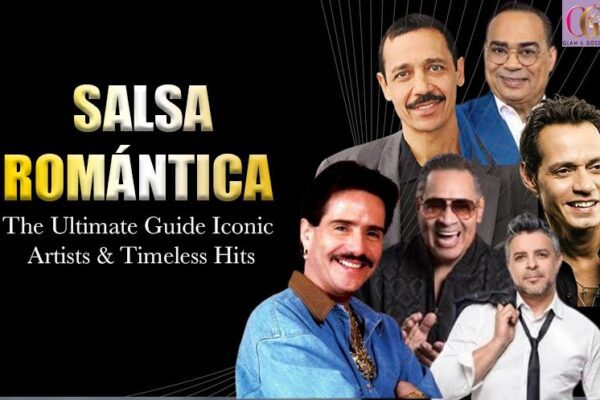
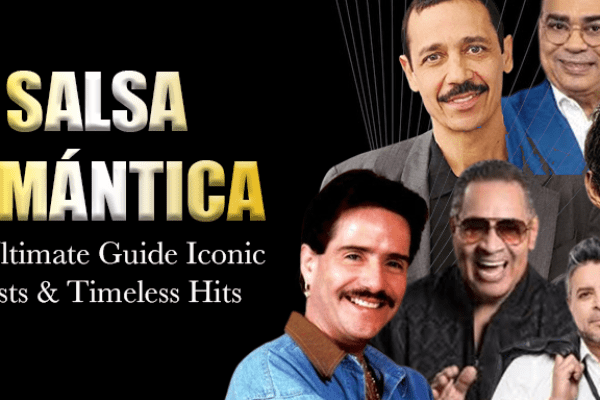
The Ultimate Guide to Salsa Romántica— IconicArtist and Popular Song

Two dancers perform flawlessly on a dim dance floor while smooth trumpet music plays. Theirbodies move unitedly in perfect harmony with the rhythm. Both dancers move in completeunison while maintaining smooth steps and eye contact, which reveals powerful emotions ofromantic and passionate yearning. It creates the enchanting power behind Salsa Romántica. In the 1980s, Salsa experienced a transformation through the fusion of Salsa’s rhythmically vividcharacter with bolero and pop’s melodious romantic elements, leading to this music form. Thedance genre named Salsa Romántica emerged as a love-filled expression that quickly spreadacross social dance events. The emotional and captivating style of Salsa Romántica continuesto enchant salsa dancers worldwide because it creates a perfect experience for individuals whoenjoy passionate dance expressions. Why does this genre stand out as exceptional? What keeps it thriving in worldwide dance halls?We will now explore this captivating world with timeless secrets driving its continuous popularity. What is Salsa Romántica? In the 1980s, Salsa Romántica emerged as a smoother and more lyrical variant of the 1970sSalsa Dura. The musical characteristics of Salsa Dura emphasized advanced instruments andintense dancing. Yet, Salsa Romántica offered emotional songs paired with mellow melodies,which attracted mainstream audiences because of its lower speed.Salsa music tells stories through its compositions. The romance-based lyrics in Salsa Romántica music develop an emotional bond that naturallyunites the musical notes with dance performances. The rhythmic foundations of salsa musicremain unchanged while permitting dance partners to perform flowing romantic movements thatsocial dancers with close physical connections love. The Origins & Evolution of Salsa Romántica The journey towards Salsa Romántica requires us to look at previous periods. The style ofmusic that became Salsa evolved in the streets of New York City during the 1960s and 1970swhile being shaped by musical elements from Cuba, Puerto Rico, and the DominicanRepublic. The salsa pioneers Celia Cruz and Hector Lavoe used energetic performances andinnovative musical approaches to develop Salsa Dura as it exists today. During the 1980s, Latin music’s musical environment began to transform. Audiences starteddemanding a mellow form of Salsa, connecting standard dance music with popular musicinterests. The musical crossover of traditional lyrics with salsa rhythms became a significanttrend thanks to musicians like Gilberto Santa Rosa, Eddie Santiago, and Frankie Ruiz, whichgave rise to Salsa Romántica as a widespread musical phenomenon. In the 1990s, Salsa Romántica succeeded internationally as artist Marc Anthony delivered thegenre to worldwide audiences. The Latin dance community continues to embrace SalsaRomántica as its core foundation by incorporating modern musical trends into this traditionalstyle. What Makes Salsa Romántica Unique? 1.Lyrical Themes: Salsa Romántica demonstrates deep lyrical passion through musical narratives that explorethemes of romantic love and heartbreak, along with devotional and passionate experiences. Its lyrics shift away from the political themes of Salsa Dura, focusing instead on romance and deepemotional expression. 2.Musical Elements: The rhythm section from regular salsa music (congas, bongos, timbales, and brass) remainsintact in Salsa Romántica. Still, this subgenre adds mellow harmonica sections, tender pianomelodies, and string instruments. 3.Danceability: The romantic version of salsa music offers an ideal rhythm for performing intimate partnerdances because its slow tempo enables emotional expression. During Salsa Romántica, loverscan focus on body movement alongside connection and musical interpretation while they ignorecomplex rhythms and fast speed. 4.Influence from Other Genres: The music genre blends bolero with rhythm, blues, and pop, creating an attractive sound thatsatisfies dancing fans and musical audiences. Most Iconic Salsa Romántica Artists & Songs The following list includes famous Salsa Romántica artists together with essential must-heartracks: Legendary Artists: Must-Listen Best Song for Salsa: 1.”Que Manera de Quererte” – Gilberto Santa Rosa https://open.spotify.com/track/2y5jHTCK9HMenViz9nS69C 2.”Desnúdate Mujer” – Frankie Ruiz https://www.song-list.net/frankieruiz/desnudemujer/tracks 3.”Lluvia” – Eddie Santiago https://open.spotify.com/track/5Ba4YFq13YdsTosd7mwqzi 4.”Yo No Sé Mañana” – Luis Enrique https://open.spotify.com/track/54uBpRpdpMx96JAk1OyHez 5.”Vivir lo Nuestro” – Marc Anthony & La India https://open.spotify.com/track/4qAknKWl2aMvWn4r1nzWAa The Sequences for Salsa Romántica Dance Salsa Romántica dancing invites us to connect emotionally to music and use body language torelate the narrative. The following teaching method demonstrates how to perform SalsaRomántica authentically: ● Master Smooth and Controlled Movements: Develop smooth, controlled moves thatmirror the romantic expression of the song. ● Focus on Partner Connection: The dance maintains intense intimacy since partnersmust establish eye connections and read subtle communication. ● Use Pauses and Breaks: Since the tempo moves more slowly, musicians can performmusic with expressive pauses, adding dramatic descending movements. ● Embrace Body Isolation: During your dance, you should enjoy body isolation throughthe movement of your hips while mastering the controlled position of your arms andexpressive gestures of your hands. Conclusion Salsa Romántica transcends being a genre since it delivers a deeper emotional connectionwith its lyrics. People worldwide continue to feel mesmerized by the magic of thisSalsa music because of its heartfelt lyrics and sensual dance flow.It allows dancers to blend their wild passion for dancing with rhythmic movement and a personalconnection to others. Get your dancing shoes ready to listen to the music while salsa magiccarries you into the romantic experience. FAQs About Salsa Romántica 1.The primary distinction between Salsa Romántica and Salsa Dura lies in their tempo. Salsa Romántica uses romantic, mellow melodies combined with sentimental lyrics, yet SalsaDura brings quick-paced percussive rhythms with sophisticated musical arrangements. 2.How to enjoy Salsa Romántica dancing with others? The dance style is popular at Latin dance social functions, where dancers can express intimacyand relationships through their moves. 3.Which Salsa Romántica songs have gained the highest popularity level? The romantic Salsa repertoire includes ‘Lluvia’ by Eddie Santiago and ‘Yo No Sé Mañana’ byLuis Enrique.” 5.What is the current status of Salsa Romántica’s popularity? Many Latin dancers worldwide keep Salsa Romántica at the top of their dance preferences.

Read More

A Guide to 5 Fundamentals of Salsa Dance

The fundamentals of salsa dance help beginners understand rhythm, movement, and connection before learning advanced steps. Alright, we have heard the song and felt the rhythm. But what else? You may have even madesome awkward attempts at shaking your hips or trying Salsa dancing steps, but you gotconfused about where to start! First, Salsa is a quick and enjoyable dance style that makes you appear more incredible thanyou are. But here’s the aspect: you want to grasp the basics before busting out those complexspins and clean footwork. And don’t worry; this isn’t going to be one of those “supercritical” blogs that leave you feelinglike you signed up for a ten-year dance marathon. Nope, we’re here at Sensual MovementUSA to break down the five fundamentals of Salsa in a fun and smooth way to recognize.Let us get started: What are the Five Fundamentals of Salsa? Take a look at the five basics before thinking of learning Salsa dance. 1.Learn The Basic Step Before we get fancy with spins, turns, and dramatic arm movements, let us discuss the mostcrucial step: the simple step. Here’s the component of Salsa: it’s all about rhythm. If you don’t know which to start with, thenstart with the simple step. It’s the heartbeat of the whole dance, the muse upon which the entirething rests. The fundamental step comprises three easy steps: one step forward, one step backward, anda quick step in place (or a tap). If you’re the lead (aka the man or woman guiding the dance), you must take that first stepforward, back, and tap in place. If you are following, you’ll be doing the other. Then the step looks more like-● For lead: forward● Follower: Back.The beauty of Salsa is behind the mastered fundamental steps; honestly, you’re close tolearning the dance. 2.If You Can’t Count, You Can’t Salsa Salsa isn’t just about shifting your body; it’s about shifting according to the beats. And to do this,you’ve been given some serious timing skills. Salsa follows an 8-count rhythm, and learning thatis a path to Salsa pro.Think of it this way: Salsa is a sport of musical chairs. You want to understand whilst moving (1,2, 3, 5, 6, 7), pausing (4, 8), and making the dramatic hand move, making you appear to beauditioning for a Salsa-themed track video. Here is the trick- Just practice, practice, and practice. Count alongside the music until the rhythm is in your bones. Before you understand it, you’lltransfer to the beat and find its irresistible 2d nature. Just bear in mind: Salsa time is 1-2-3, 5-6-7.The four and eight will be your breather beats, wherein you pause and give yourself amoment to experience how exceptional you look while your feet are definitely in sync with therhythm. 3.Salsa is all in Footwork Yes, footwork is the actual magic of Salsa. You’re ready to focus on your feet once you’ve nailed the simple step and locked down yourtiming. Here is the component: Salsa is about moving your feet with a goal. Your feet aren’tsimply shuffling around aimlessly; they have a motive. And no, you don’t need to tap like a dancer in ballet. However, you must recognize how tomanage your steps to fit the song. If you’ve been secretly taking Salsa lessons for years, youwant your feet to hit the floor with sufficient fashion and precision to surprise home sapiens.An essential part of footwork is the ball of the foot. Most Salsa dancers step with the ball in theirfoot first (instead of flat-footed) to offer you that sharp, crisp feeling. Practice stepping lightly andquickly. Salsa is all about clean and controlled footwork, so keep it mild! 4.Show Your Dance Chemistry Salsa isn’t a solo overall performance. It is a verbal exchange between two humans, a dance ofgive-and-take that includes a leader and a follower. This leads to a connection, the only thingthat makes you fall in love with the dance, place, and lyrics. The connection is what makes Salsa so beautiful. It lets both the leader and follower do thetalking with rhythm. Try to keep a comfortable but deep connection when dancing with yourpartner.The lead should be gentle, while the follower should respond lightly and fluidly. It is now notabout grabbing or pulling; it’s about using your palms, hands, and body to talk movements withsubtlety and grace. 5.Involve Whole Body Finally, let’s discuss body movement. Salsa isn’t just about shifting your feet but making yourbody move to the rhythm. So, you’ve got your toes taken care of, your timing down, and yourconnection on point. But you’re missing out if you’re not transferring your body with some flair.The key here is the hip movement. Yes, we already stated it. People know Salsa for the hipmovement only. That song is genuine when Shakira says, “The hips don’t lie.” When youcirculate your body, specifically your hips, in time with the music, it creates that natural glide thatmakes Salsa look so easy. Get Ready for Salsa! So there you have it after knowing the five fundamentals of Salsa! The simple steps are timing,footwork, connection, and body movement. You’ll be well on your way to being the Salsa danceryou’ve always imagined yourself to be once you’ve mastered these fundamentals. Or at theleast, the one who can avoid stepping on different human beings’ feet. Remember, Salsa is meant to be amusing, so don’t feel pressured if it takes a little extrapractice. Just hold dancing to the music, and soon enough, you’ll hopefully shake your hips andtwirl throughout the dance ground like a true pro. But still, if Salsa seems complicated, wesuggest you try your steps on Bachata Sensual. Try one bachata class with SensualMovement USA and enjoy it with your partner. Read also:Met Gala 2025: Theme, Guest List, Date, Livestream, Dress Code, Myths & More

Read More
Tango Dance

Know Everything About Tango Dance from Origin to Global Influence

Tango dancing is famous as a passion, an art form and an activity that results in an adrenaline rush. Think of you and your partner rocking the dance floor, tier bodies in one and their actions speak louder than words. The music rushes through your veins, and you’re immersed within the rhythm earlier than you recognize it, shifting as if you’re part of a more significant show. But before you move into tango, there are several exciting records and hints to learn. Ready to tango? Let’s start! Tango Dancing’s Past History of tango dancing is very interesting as it is famous in multiple locations after first being popular in Buenos Aires, Argentina, in the late 1800s. African rhythms, European effects, and the active lifestyle of the Argentine capital all contributed to the development of the dance. The surprising truth is that tango dancing wasn’t at the start the delicate, sleek dance that we are familiar with nowadays. It originated in working-class communities and has frequently been considered a provocative dance. Tango became developed and famous for its various better training, most effective when it arrived in Europe in the early 20th century. Paris became the first town to embody tango dancing on a global scale, and the relaxation of the globe observed health. Where is the Tango Dance From? Buenos Aires and Montevideo are known as the primary places to begin. In the 1900s, Tango began to gain popularity in the cities of Montevideo and Buenos Aires. In these cities, natives from Europe and Africa lived, and with that, the magic happened. This population contributes to the tune and movement; both are the soul of Tango dancing. The dance commenced in the working-class districts, especially in the “conventillos” (shared housing areas) and the brothels, wherein people from one-of-a-kind backgrounds got here collectively. It became motivated by African rhythms, European melodies, and nearby people’s traditions, creating a unique mixture of styles. At first, Tango was considered scandalous due to its near embody and sensual actions. However, it gradually gained a reputation past the lower classes. Different Styles of Tango Tango has evolved into specific styles over the years, every with its unique characteristics: ● Argentine Tango: The unique and maximum expressive form specializing in improvisation and deep connection between partners.● Ballroom Tango is a more established model of competitive ballroom dancing, featuring dramatic head moves and strict posture.● Tango Nuevo: A modernized style prompted using digital music and current dance.● Milonguero Style: Danced nearby, ideal for small dance flooring.● Uruguayan Tango: A lesser-regarded but similarly expressive shape of Tango that shares similarities with its Argentine counterpart. Okay, you’re curious about tango dancing, but did you recognize several patterns? That’s right! Tango is not a dance; this is universally applicable. Here’s a fundamental precis of the most common tango dance to help you select which one appeals to you. 1. Argentine Tango Dancing Ah, the conventional! Argentine tango is an authentic form of tango dance that focuses on improvisation and associated connection. This form of tango has a particular, intimate sense, with dancers often sharing a near include, permitting them to react to each other’s movements. It’s like dance communication: fluid, spontaneous, and intense. 2. International Tango Dancing If you have ever watched ballroom contests, you have likely witnessed international tango dancing. This fashion is extra strict, structured, and formal. While it retains the sharp, dramatic moves associated with tango, it follows strict styles and requires more precision. Think of it as the tuxedo of tango dancing—sleek, polished, and with a number of flairs. 3. American Tango Dancing Somewhere among Argentine and international tango lies American tango dancing. It’s much less formal than global tango but more structured than Argentine. It’s the fashion you’ll most probably stumble upon in social dance settings here inside the U.S. Expect a touch more freedom in your movement than in global tango; nevertheless, with a clean framework to observe. Tango Dancing: What You Need to Get Started Are you geared up to leap into tango dancing? Here’s what you should recognize before getting to the dance floor. 1. The proper shoes are essential Tango dance requires specific shoes. You’ll want to dress comfortably yet stylishly, as looking high-quality is a part of the tango experience. If you’re a novice, pick a shoe with a slightly better heel. For men, comfortable, well-dressed footwear with a clean sole is the best alternative. 2. Take note of your posture! One of the most essential parts of tango dancing is proper posture. How you keep your frame impacts both your stability and your connection with your partner. Tango is ready to balance your body and stay upright while engaging all your muscle tissue out of your core in your arms and legs. Without the proper posture, your moves may appear inflexible or offbeat, which we don’t need. 3. The connection In tango dancing, your embodiment and your companion are essential. Whether you are doing Argentine or international tango, you will notice that the relationship is near, however easygoing. It’s like placing a particular balance between being near enough to sense your accomplice’s motions and having enough space to move freely. This is where the magic happens—when both dancers move as one. 4. Leader & Follower Dance Don’t worry if you do not have a dance partner—tango dancing permits you to play each central and following role. Typically, one person leads (usually a male) and the other follows (usually a woman), but the beauty of the tango is that the roles can be switched. Tango dancing is extraordinarily fluid because of minor weight shifts and posture adjustments. Common Mistakes Newcomers Make in Tango Dancing We’ve all been there—stepping onto the dance floor full of self-assurance, best to ride over our very own feet. If you’re new to tango dancing, here are some common mistakes to look out for: 1. Rushing the Steps Tango dancing isn’t always about rushing from one step to every other. It’s a dance of sluggish, planned…

Read More
Salsa Romántica: Iconic Artist and Popular Song

The Ultimate Guide to Salsa Romántica Iconic Artist and Popular Song

Two dancers perform flawlessly on a dim dance floor while smooth trumpet music plays. Their bodies move unitedly in perfect harmony with the rhythm. Both dancers move in complete unison while maintaining smooth steps and eye contact, which reveals powerful emotions of romantic and passionate yearning. It creates the enchanting power behind Salsa Romántica. In the 1980s, Salsa experienced a transformation through the fusion of Salsa’s rhythmically vivid character with bolero and pop’s melodious romantic elements, leading to this music form. The dance genre named Salsa Romántica emerged as a love-filled expression that quickly spread across social dance events. The emotional and captivating style of Salsa continues to enchant salsa dancers worldwide because it creates a perfect experience for individuals who enjoy passionate dance expressions. Why does this genre stand out as exceptional? What keeps it thriving in worldwide dance halls? We will now explore this captivating world with timeless secrets driving its continuous popularity. What is Salsa Romántica? In the 1980s, Salsa Romántica emerged as a smoother and more lyrical variant of the 1970s Salsa Dura. The musical characteristics of Salsa Dura emphasized advanced instruments and intense dancing. Yet, this dance offered emotional songs paired with mellow melodies, which attracted mainstream audiences because of its lower speed. Salsa music tells stories through its compositions. The romance-based lyrics in Salsa Romántica music develop an emotional bond that naturally unites the musical notes with dance performances. The rhythmic foundations of salsa music remain unchanged while permitting dance partners to perform flowing romantic movements that social dancers with close physical connections love. The Origins & Evolution of Salsa Romántica The journey towards Salsa Romántica requires us to look at previous periods. The style of music that became Salsa evolved in the streets of New York City during the 1960s and 1970s while being shaped by musical elements from Cuba, Puerto Rico, and the Dominican Republic. The salsa pioneers Celia Cruz and Hector Lavoe used energetic performances and innovative musical approaches to develop Salsa Dura as it exists today. During the 1980s, Latin music’s musical environment began to transform. Audiences started demanding a mellow form of Salsa, connecting standard dance music with popular music interests. The musical crossover of traditional lyrics with salsa rhythms became a significant trend thanks to musicians like Gilberto Santa Rosa, Eddie Santiago, and Frankie Ruiz, which gave rise to Salsa as a widespread musical phenomenon. In the 1990s, Salsa Romántica succeeded internationally as artist Marc Anthony delivered the genre to worldwide audiences. The Latin dance community continues to embrace Salsa as its core foundation by incorporating modern musical trends into this traditional style. What Makes Salsa Romántica Unique? 1. Lyrical Themes: Salsa Romántica demonstrates deep lyrical passion through musical narratives that explore themes of romantic love and heartbreak, along with devotional and passionate experiences. Its lyrics shift away from the political themes of Salsa Dura, focusing instead on romance and deep emotional expression. 2. Musical Elements: The rhythm section from regular salsa music (congas, bongos, timbales, and brass) remains intact in Salsa Romántica. Still, this subgenre adds mellow harmonica sections, tender piano melodies, and string instruments. 3. Danceability: The romantic version of salsa music offers an ideal rhythm for performing intimate partner dances because its slow tempo enables emotional expression. During Salsa, lovers can focus on body movement alongside connection and musical interpretation while they ignore complex rhythms and fast speed. 4. Influence from Other Genres: The music genre blends bolero with rhythm, blues, and pop, creating an attractive sound that satisfies dancing fans and musical audiences. Most Iconic Salsa Romántica Artists & Songs The following list includes famous Salsa Romántica artists together with essential must-hear tracks: Legendary Artists: Must-Listen Evergreen Best Song for Salsa 1. “Que Manera de Quererte” – Gilberto Santa Rosa 2. “Desnúdate Mujer” – Frankie Ruiz https://www.song-list.net/frankieruiz/desnudemujer/tracks 3. “Lluvia” – Eddie Santiago 4. “Yo No Sé Mañana” – Luis Enrique 5. “Vivir lo Nuestro” – Marc Anthony & La India The Sequences for Salsa Romántica Dance Salsa Romántica dancing invites us to connect emotionally to music and use body language to relate the narrative. The following teaching method demonstrates how to perform this dance authentically: Also Read: All about Met Gala 2025 Conclusion Salsa Romántica transcends being a genre since it delivers a deeper emotional connection with its lyrics. People worldwide continue to feel mesmerized by the magic of this Salsa music because of its heartfelt lyrics and sensual dance flow. It allows dancers to blend their wild passion for dancing with rhythmic movement and a personal connection to others. Get your dancing shoes ready to listen to the music while salsa magic carries you into the romantic experience. FAQs About Salsa Romántica 1. The primary distinction between Salsa Romántica and Salsa Dura lies in their tempo. Salsa Romántica uses romantic, mellow melodies combined with sentimental lyrics, yet Salsa Dura brings quick-paced percussive rhythms with sophisticated musical arrangements. 2. How to enjoy Salsa Romántica dancing with others? The dance style is popular at Latin dance social functions, where dancers can express intimacy and relationships through their moves. 3. Which Salsa Romántica songs have gained the highest popularity level? The romantic Salsa repertoire includes ‘Lluvia’ by Eddie Santiago and ‘Yo No Sé Mañana’ by Luis Enrique.” 5. What is the current status of Salsa Romántica’s popularity? Many Latin dancers worldwide keep Salsa dance at the top of their dance preferences.

Read More