Salsa is one of the most vibrant, culturally rich, and globally celebrated partner dances in the world. While its roots span Afro-Caribbean rhythms, Latin musical heritage, and urban evolution, Black salsa dancers have played a defining role in shaping how salsa is danced, taught, and appreciated internationally. This comprehensive overview explores the influence, legacy, and top Black salsa dancers whose artistry continues to shape the global salsa community.
The Cultural Roots of Salsa and the Black Influence
Salsa emerged from Afro-Caribbean traditions especially Cuban son, rumba, and mambo combined with Puerto Rican and urban New York influences. This blend inherently incorporated African diasporic movement aesthetics: polyrhythmic timing, grounded motion, body isolations, and improvisational style. As salsa travelled from Cuba and Puerto Rico to New York City and beyond, salsa dancers from African heritage and communities were central to its evolution.
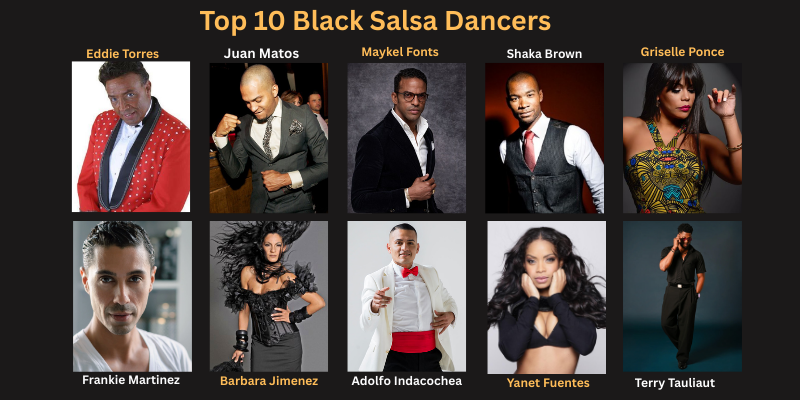
Top 10 Salsa Dancer of African Heritage in Worldwide 2026
Below are some of the most influential figures associated with salsa dancing especially where their identity, artistry, or influence intersects with Black cultural heritage. Their contributions span performance, choreography, instruction, and community leadership.
1. Eddie Torres – The Mambo King
Often called the “Mambo King,” Eddie Torres is a legendary salsa dancer and teacher whose work has shaped how salsa is teachs worldwide.
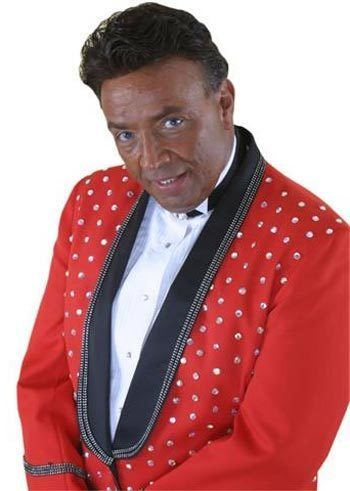
He is credited with pioneering the NYC “On2” style and mentoring countless professionals and instructors. His musicality, precision, and teaching methods have made him a global ambassador of salsa.
2. Juan Matos
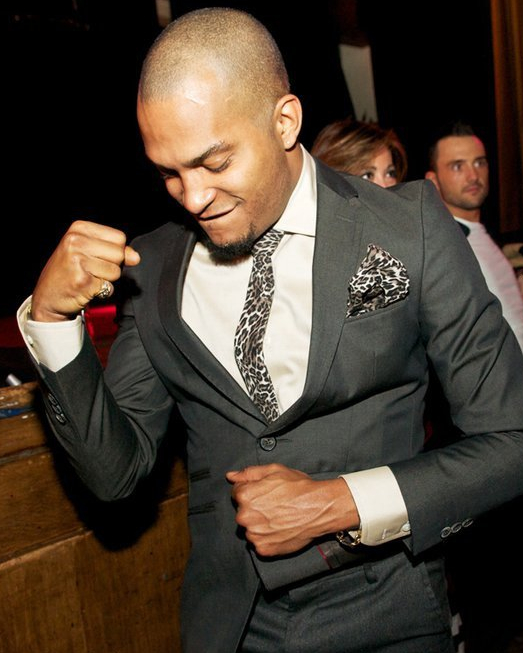
Juan Matos is known for his Afro-Caribbean influence footwork, stylistic flow, and creative expression on the dance floor. Originally from New York with Dominican roots, his performances and workshops have brought greater appreciation for Afro-Latin sensibilities in salsa communities worldwide.
3. Maykel Fonts
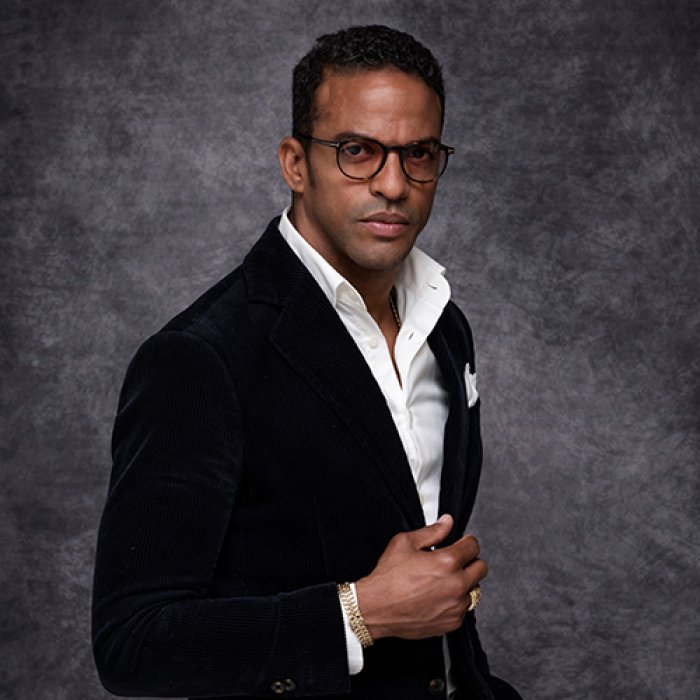
From Havana, Maykel Fonts blends Afro-Cuban salsa with performance intensity and innovative choreography. His work helps connect traditional Cuban roots with contemporary global salsa stages, influencing dancers across continents.
4. Shaka Brown
Based in Washington, D.C., Shaka Brown stands out not only for his dancing but also for his role in creating inclusive environments where salsa thrives across identities. His teaching and creative work emphasize connection, expression, and community.
5. Griselle Ponce
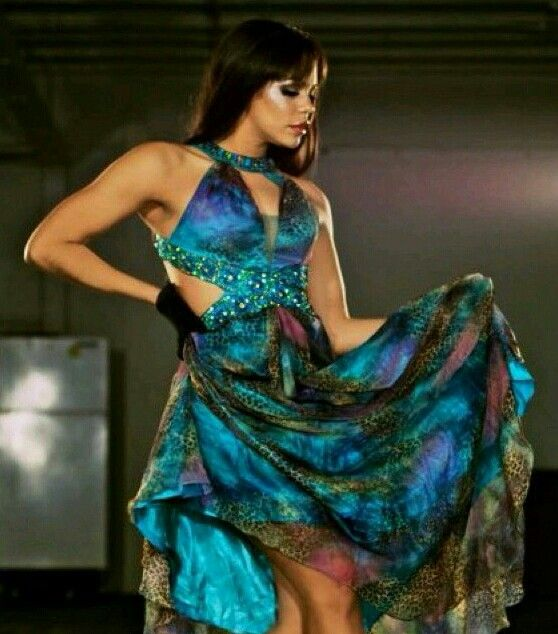
Griselle Ponce has long been famous for her commanding stage presence, styling excellence, and contributions to mambo and salsa choreography. Known by many as “The Mambo Diva,” she highlights how female Black and Afro-Latin dancers shape salsa’s stylistic diversity.
6. Frankie Martinez
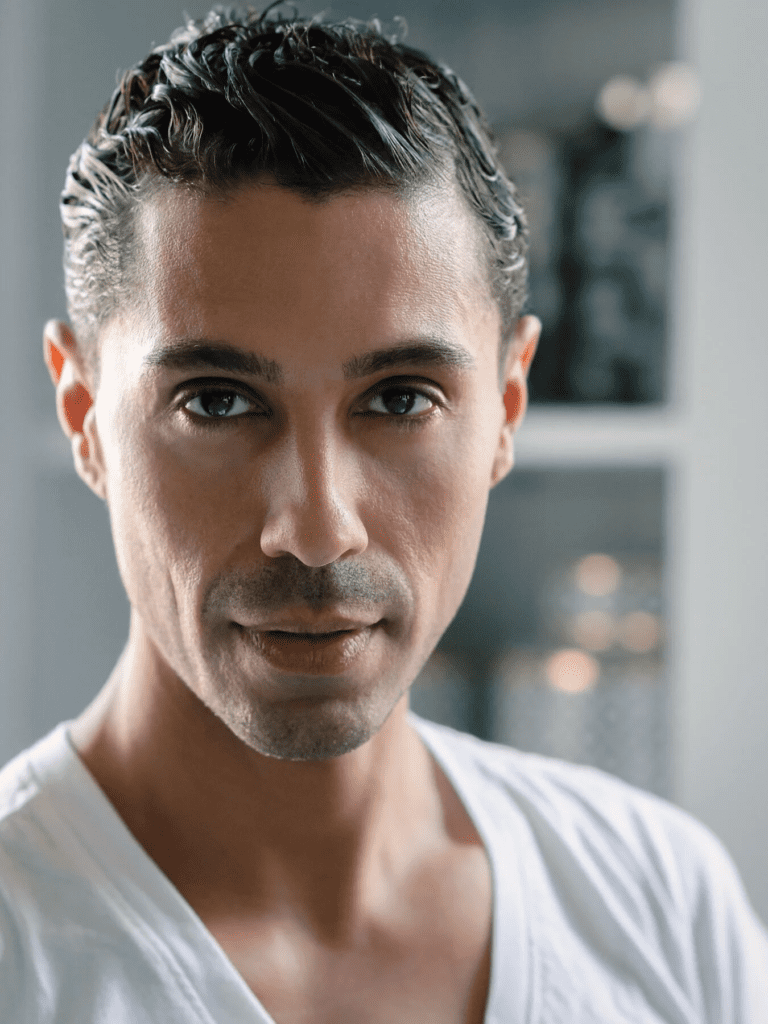
Frankie Martinez mixes Afro-Latin rhythms with contemporary flair, pushing salsa toward innovative fusion styles. His work as a choreographer and performer illustrates how traditional salsa can grow while honoring its cultural roots.
7. Barbara Jimenez
Barbara Jimenez is examples of uban-born dancers whose artistry and teaching have contributed to salsa’s global stage, especially where Cuban and Afro-Latin movement connect deeply with salsa aesthetics.
8. Yanet Fuentes Black Salsa Dancers
Noted for her electrifying performances and command of Afro-Cuban rhythms, Yanet consistently impresses audiences and students worldwide with her dynamic salsa and rumba expertise.
9. Adolfo Indacochea
Known for precision and choreography and as founder of Latin Soul Dancers Adolfo Indacochea emphasizes mambo-style salsa that has influenced dancers throughout the U.S. and abroad.
10. Terry Tauliaut
Terry Tauliaut is a highly respected Australian salsa dancer, choreographer, and dance educator, best known for his contributions to Latin dance particularly salsa both in Australia and internationally. He is widely popular within the dance community for his technical precision, musicality, and performance excellence.
What Makes a Salsa Dancer Influential?
Before profiling icon dancers, it helps to understand the hallmarks of influence in salsa:
- Musicality and rhythm mastery: Salsa is rhythm-driven; standout dancers exhibit deep musical understanding.
- Innovative technique: Trailblazers evolve style, footwork, and body movement.
- Cultural impact: Influential dancers uplift communities and contribute to salsa’s global spread.
- Teaching and legacy: Many legends are also revered instructors who inspire new generations.
Beyond Individuals: The Broader Influence of Black Salsa Dancers
While profiles highlight specific names, the impact of Black salsa dancers extends into teaching, global festivals, cultural identity, and community building:
- Workshops and Congresses: Afro-Latin and Black salsa dancers are consistently featured in global salsa congresses, sharing technique and heritage with international audiences.
- Cultural Preservation: Many lead initiatives preserving Afro-Caribbean performance styles within salsa education.
- Community Hubs: Black dancers have been central to salsa scenes in major cities — from New York to London — nurturing local communities and new talent.
Why Recognizing Black Salsa Dancers Matters
Highlighting Black artists in salsa is not just about individual achievement; it recognizes the historical and cultural foundations of the dance. Salsa did not arise in isolation it is a product of diasporic expression that Black communities helped evolve across the Caribbean and the diaspora.
Also Read: Salsa Romantica
How to Discover and Learn from Black Salsa Dancers
If you are passionate about salsa and want to explore the work of Black salsa dancers:
- Attend international salsa festivals and congresses where established dancers teach and perform.
- Follow their social channels and teaching platforms for workshops and tutorials.
- Engage in local salsa communities that emphasize diverse voices and histories.
Conclusion
Black salsa dancers in the world past and present have shaped the art form in profound and enduring ways. From foundational innovators like Eddie Torres to contemporary teachers and artists, their influence resonates across social dance floors, stages, and classrooms worldwide. As salsa continues to evolve, honouring and elevating these voices deepens our understanding of the dance’s cultural richness and global appeal.